Wildfire Mitigation: Setting the Foundation for Success
Available 24/7
Large Loss
Natural Disasters
Water Damage
Fire Damage
In California and Nevada, wildfire is no longer a seasonal concern—it is a year-round reality. As drought cycles lengthen and the wildland-urban interface (WUI) expands, the risk to residential communities, commercial assets, and critical infrastructure has never been higher.
At JLS Environmental Services, Inc., we approach wildfire mitigation as a specialized science. Since 2002, we have served as a “five-star” contractor for regional homebuilders, property managers, and insurance companies, helping them navigate the complex requirements of fire safety. Our goal is simple: to transform your property from a potential fuel source into a resilient landscape capable of withstanding the threat of fire.
24/7 Emergency Response Services
In business since 2002
CA & NV Regional Expertise, Local Impact
Defensible Space: Creating a buffer zone by thinning trees and removing brush around structures to slow fire spread.
Fuel Reduction: Removing “ladder fuels”—low-hanging branches and shrubs—that allow ground fires to climb into the tree canopy.
- Zone 0 “Ember-Resistant” Mandates: California law requires a strictly non-combustible 5-foot perimeter (Zone 0) around structures, which is now a requirement for securing insurance discounts and complying with state-mandated “Safer from Wildfires” regulations.
The Strategic Pillars of Wildfire Mitigation
Effective mitigation isn’t just about cutting grass; it’s about breaking the “path of ignition” that allows a fire to reach a structure. We focus on three critical areas:
1. Defensible Space Creation (The Three Zones)
Following state mandates (like California’s PRC 4291), we design and implement three distinct layers of protection around your structures:
- Zone 0 (The Ember-Resistant Zone): The first 5 feet from the structure. We focus on removing all combustible materials, including dry mulch, woody shrubs, and overhanging branches, to prevent embers from igniting the building directly.
- Zone 1 (The Lean, Clean, and Green Zone): 5 to 30 feet from the structure. Here, we thin out vegetation, remove “ladder fuels” (low-hanging branches), and ensure proper spacing between tree canopies.
- Zone 2 (The Reduced Fuel Zone): 30 to 100 feet (or more). We utilize mechanical mastication to reduce the volume of ground fuels and create fire breaks that slow the rate of fire spread.
2. Ladder Fuel Reduction
Fire moves vertically. If a ground fire can “climb” into the canopy of a tree via low branches or tall shrubs, it becomes a high-intensity crown fire that is nearly impossible to control. JLS technicians identify and remove these ladder fuels, keeping fire low to the ground where it is more manageable for first responders.
3. Fuel Load Reduction & Mastication
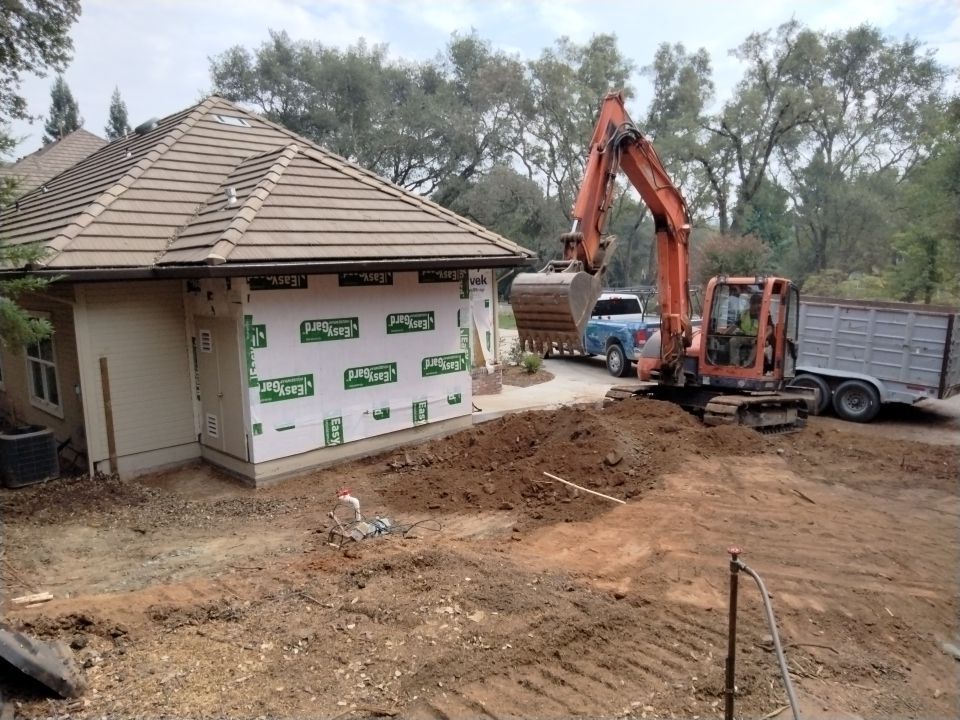
The density of vegetation on a property is its “fuel load.” We utilize high-speed forestry masticators to grind thick brush and small trees into a fine, moisture-retaining mulch. This process doesn’t just remove the fuel; it keeps the organic material on-site to suppress weed growth and prevent soil erosion.
Challenges in Modern Wildfire Mitigation
Mitigating fire risk in the Western U.S. comes with significant logistical and regulatory hurdles that require professional expertise:
Steep Slopes and Canyons
Fire travels faster uphill. Many properties in our region are built on hillsides or near "chimneys" (narrow canyons that funnel heat and wind). Clearing these areas requires specialized, low-impact machinery and hand crews capable of working safely on extreme grades where traditional equipment fails.
The "Ember Storm" Phenomenon
Most homes lost to wildfires aren't consumed by a wall of flame; they are ignited by embers blown miles ahead of the main fire front. This makes "home hardening" and Zone 0 maintenance essential. Professional mitigation must account for these airborne threats by identifying "trap points" where embers might collect, such as under decks or near vents.
Regulatory and Insurance Pressure
Insurance companies are increasingly requiring documented proof of defensible space before issuing or renewing policies. Navigating the specific requirements of the NFPA, CAL FIRE, and local fire districts can be overwhelming for property owners. JLS provides the documentation and expertise to ensure your property meets or exceeds these standards.
Post-Mitigation Maintenance
Vegetation grows back, often thicker than before. A common challenge is the "one and done" mentality. Wildfire mitigation requires a recurring maintenance strategy to manage new growth and ensure fire breaks remain effective year after year.
Why JLS is the Trusted Name in Fire Mitigation
When the stakes involve your home or business, experience matters. JLS Environmental Services, Inc. brings over two decades of regional expertise to every project.
- Insurance Industry Experts: We are the preferred contractor for many insurance providers because we understand their specific mitigation and “hardening” requirements.
- Safety-First Approach: Our crews are trained in the latest fire-safe work practices to ensure we don’t accidentally spark a fire while clearing one.
- Advanced Equipment: Our fleet of masticators, chippers, and specialized hand tools allows us to tackle any terrain, from flat commercial lots to steep residential hillsides.
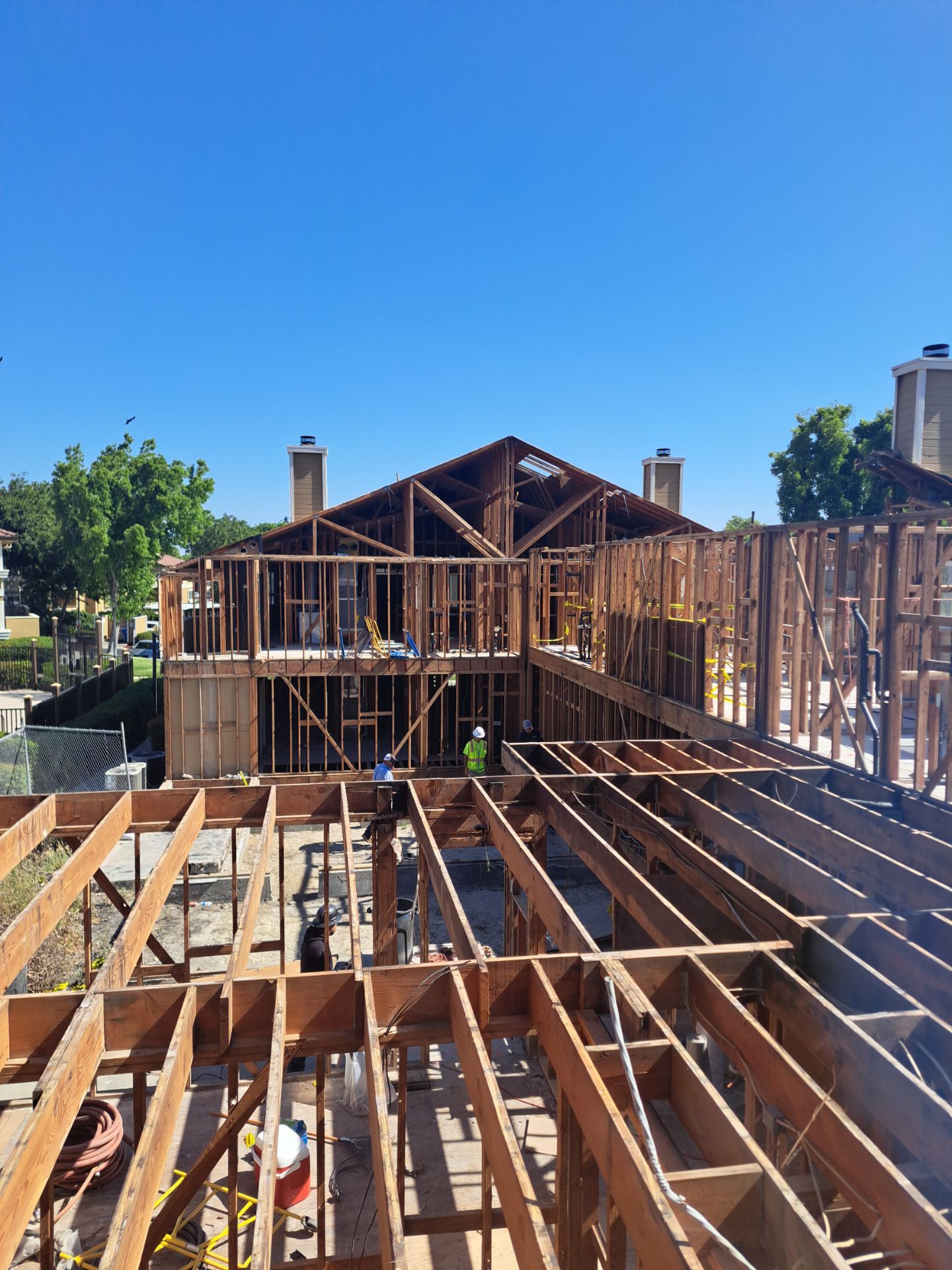
- Full-Service Recovery: In the unfortunate event of fire damage, we are also a licensed general contractor capable of handling full-scale 24/7 emergency response, debris removal, and reconstruction.
Don’t wait for the next Red Flag Warning. Secure your property today with a professional wildfire mitigation plan from JLS.
Call us at (916) 660-1525 or Contact Us today